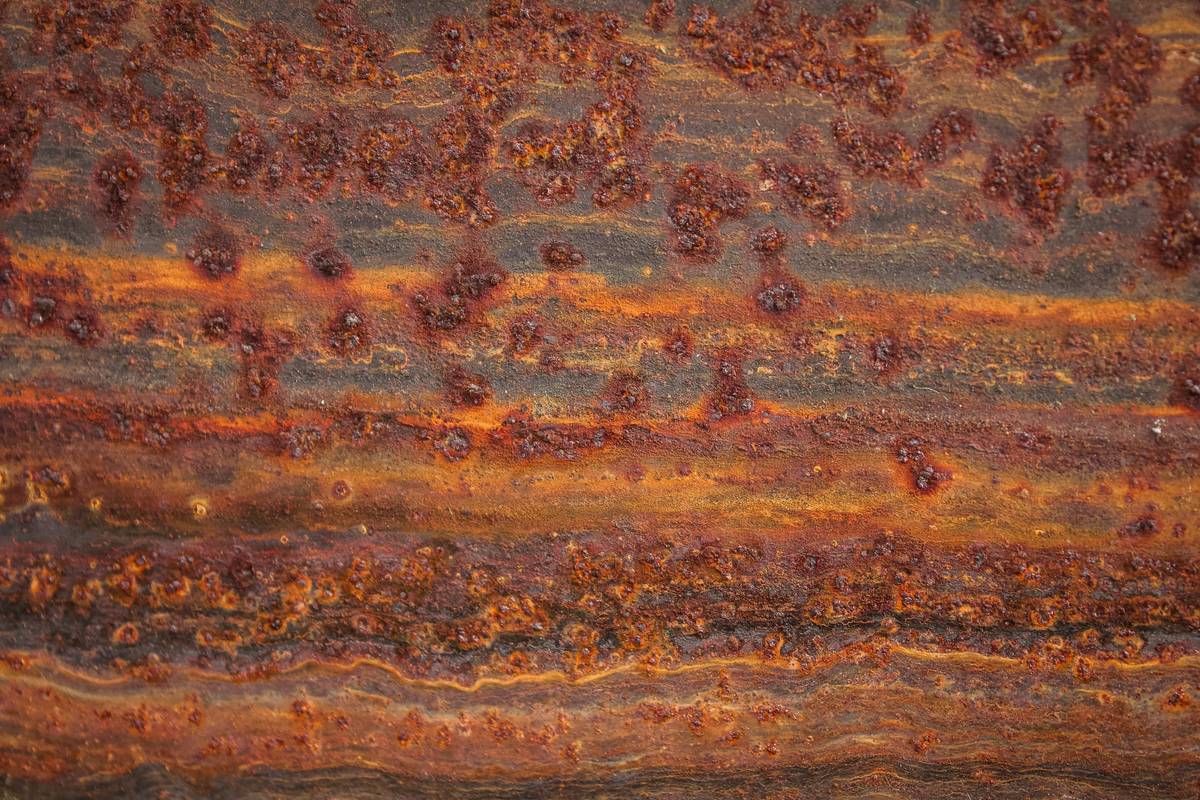
That sickly green crust creeping across your garden tools, outdoor fixtures, or vintage hardware? It’s not just ugly—it’s actively eating away at the metal beneath. Most store-bought rust removers rely on phosphoric or hydrochloric acid, which corrode more than rust—they poison soil, harm skin, and leave behind residues that accelerate future oxidation. But what if you could reverse green rust on metal using pantry staples and zero guilt?
Why Conventional Rust Removers Make Green Rust Worse
Commercial “rust dissolvers” promise miracles—but deliver dependency. They strip surface corrosion fast, yes. But they also etch microscopic pits into the metal, creating perfect traps for moisture. The result? Faster regrowth. And that blue-green patina you see? Often copper carbonate or basic copper sulfate—common on brass, bronze, or copper alloys exposed to humidity and salts. Acid-based cleaners don’t neutralize the underlying electrochemical reaction; they mask it temporarily.
Worse yet—many DIY hacks (like soaking in cola or bleach) actually accelerate galvanic corrosion. Bleach introduces chloride ions. Cola’s phosphoric acid is diluted but still aggressive. Neither addresses the root cause: uncontrolled oxidation in humid, salty, or acidic micro-environments.
Step-by-Step: Natural Removal of Green Rust on Metal
Forget harsh fumes. This method leverages chelation and mild acidity—without damaging base metal or ecosystems.
Gather Your Non-Toxic Arsenal
You’ll need white vinegar (5% acetic acid), baking soda, lemon juice, a soft-bristle brush (never steel wool—it scratches), and distilled water for rinsing. Optional: food-grade citric acid for stubborn deposits.
The Soak-and-Scrub Protocol
Submerge the item in undiluted white vinegar for 2–6 hours—depending on severity. For intricate pieces, make a paste: 2 parts baking soda + 1 part lemon juice. Apply directly to green rust patches. Let sit 30–60 minutes. Gently scrub with a nylon brush. Rinse thoroughly with distilled water. Dry immediately with a microfiber cloth.
Post-Treatment Protection
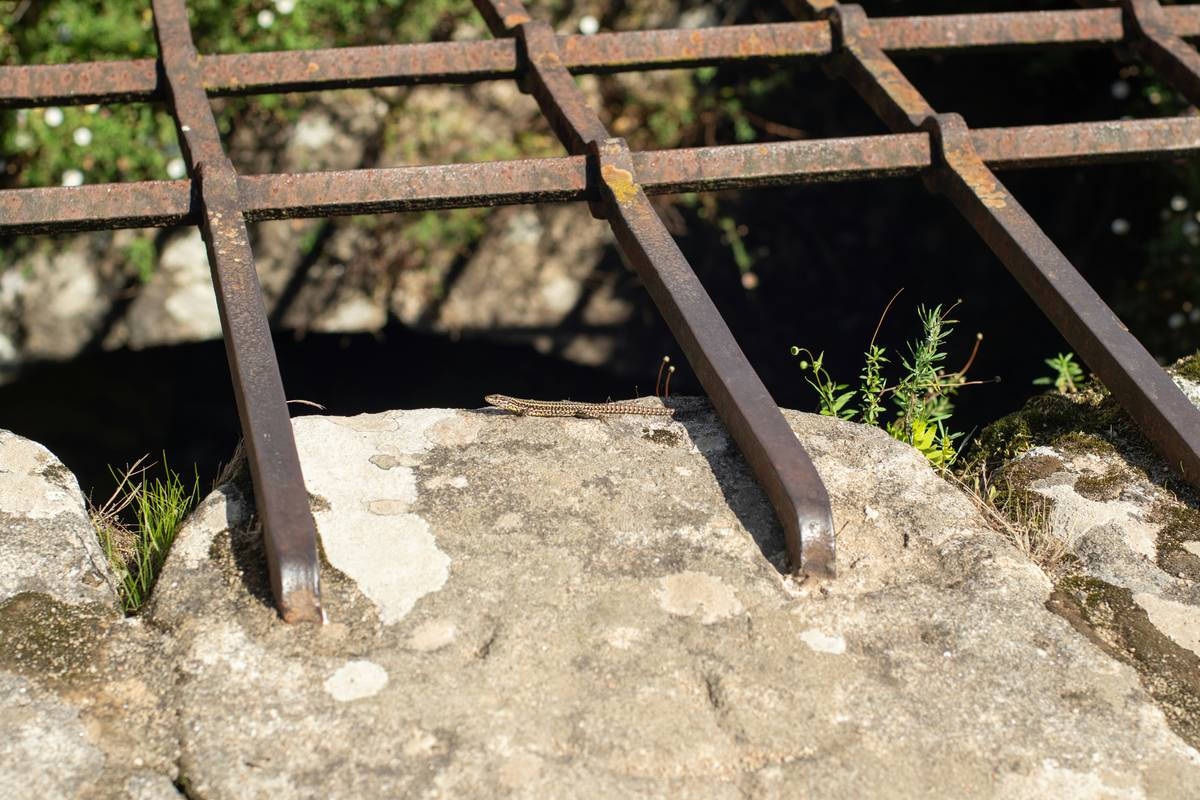
Once clean, wipe with a 1:1 mix of boiled linseed oil and beeswax (melted together). Buff gently. This creates a breathable, hydrophobic barrier—far superior to synthetic sealants that peel and trap moisture underneath.
| Method | Active Ingredient | Time Required | Eco-Impact | Re-Rust Risk |
|---|---|---|---|---|
| Vinegar + Baking Soda | Acetic acid + sodium bicarbonate | 2–6 hours soak + 15 min scrub | Biodegradable, non-toxic | Low (if sealed properly) |
| Phosphoric Acid Gel | H₃PO₄ | 10–30 minutes | Toxic runoff, soil contamination | High (etches metal) |
| Lemon + Salt Paste | Citric acid + NaCl | 1 hour | Moderate (salt = corrosive) | Medium-High |
| Electrolysis | Electric current + washing soda | 12–24 hours | Low chemical impact | Very Low |
The Industry Secret No One Talks About: It’s Not Just Rust—It’s Microclimate
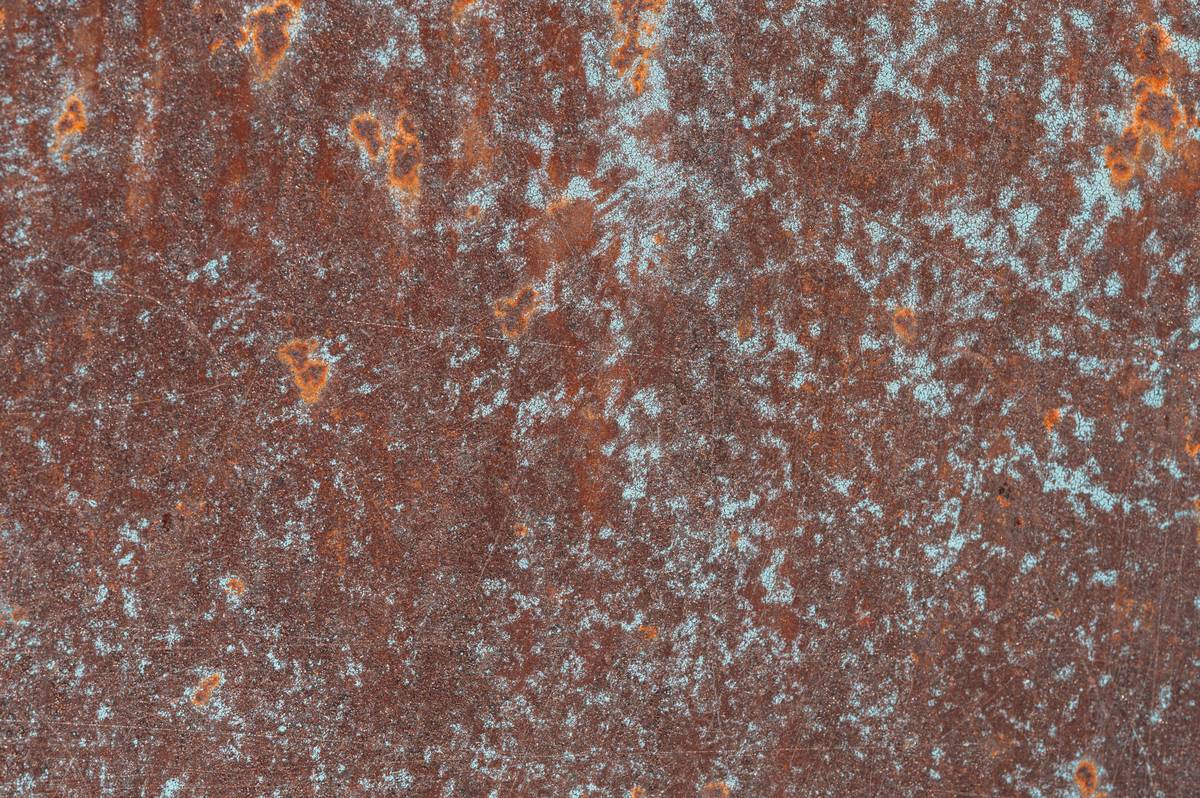
Here’s the reality: green rust on metal rarely forms in isolation. It thrives where three silent culprits converge—moisture, oxygen, and electrolytes (like road salt or sea spray). Most homeowners focus only on cleaning the symptom. But the real fix? Control the microenvironment. Store metal tools in silica gel-lined containers. Hang garden shears on a cedar pegboard (cedar’s natural oils repel moisture). In coastal zones, apply a monthly coat of carnauba wax—not paint. Paint traps vapor. Wax breathes. And that slight film? It disrupts the ionic pathway needed for oxidation. Pro restorers have used this trick for decades on antique firearms and marine fittings. It’s never about the cleaner alone—it’s about interrupting the cycle before it restarts.
Frequently Asked Questions
Is green rust on metal dangerous?
Not directly toxic, but indicates active corrosion. On copper alloys, it can leach copper into soil or water—harmful to aquatic life and plants in high concentrations.
Can vinegar remove all types of rust?
Vinegar works best on iron oxide and basic copper carbonates. It won’t dissolve magnetite or deeply pitted rust without extended soaking—and even then, mechanical help is needed.
How long does natural rust removal take?
Light green rust: 2–4 hours. Heavy buildup: up to 12 hours with reapplication. Patience beats abrasion every time.