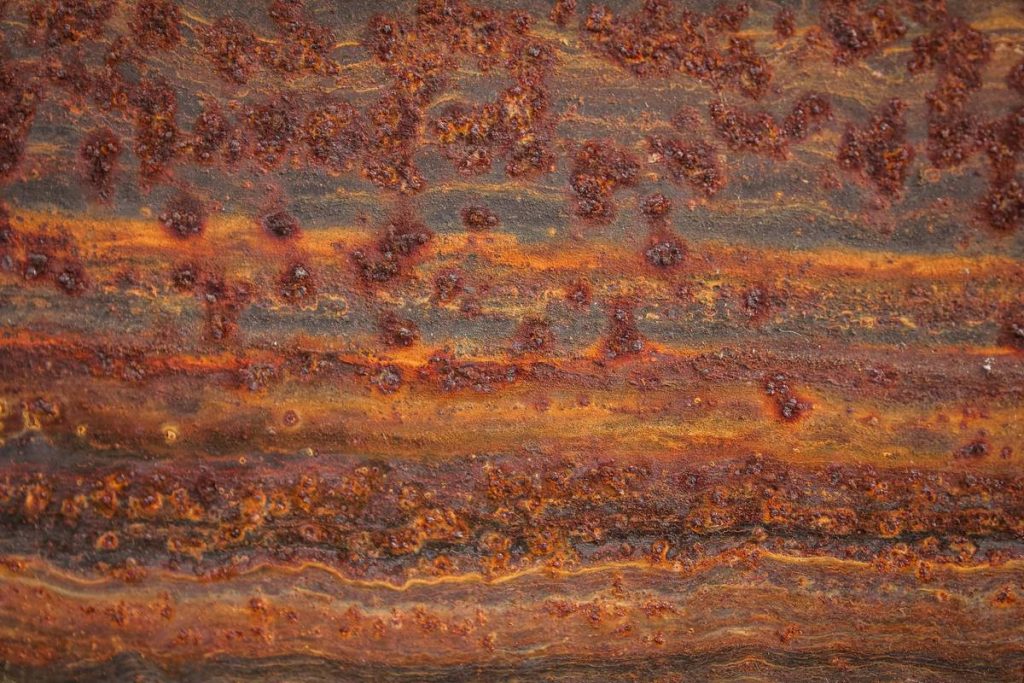
Rust doesn’t ask permission before eating through your tools, railings, or heirloom hardware. Most “eco” cleaners either underperform—or quietly rely on harsh acids masked by green branding. But what if you could strip oxidation without poisoning your soil, your skin, or your septic tank? Enter rust oleum all green: a rare blend of plant-based power and real-world effectiveness.
The Problem With Conventional Rust Removal
Vinegar soaks? Baking soda pastes? They’re gentle—too gentle. You’ll scrub for hours only to find rust laughing back at you from deeper crevices. Commercial removers like naval jelly work fast—but dump phosphoric acid into waterways and off-gas fumes that burn your throat. And let’s be honest: “natural” labels are often marketing theater. The reality? Most eco-branded options lack chelating agents strong enough to break iron oxide bonds. Period.
But here’s the kicker—regulatory loopholes let brands call products “green” with just one biodegradable ingredient. Meanwhile, your garden hose drips toxic runoff every time you rinse.
How to Use Rust-Oleum All Green Like a Pro
This isn’t your average wipe-and-go spray. Rust oleum all green works through biochelation—a process where organic acids bind to metal ions and lift them away cleanly. Done right, it leaves zero residue and requires no neutralization step. Follow this sequence:
Prep the Surface First
Brush off loose flakes with a brass-bristle brush—not steel, which can embed particles and cause flash rusting. Rinse with distilled water (tap water minerals interfere with the reaction). Let dry 10 minutes.
Apply with Precision
Spray until the surface glistens—but don’t flood. Let sit 15–20 minutes. For heavy rust, reapply once after 10 minutes. Never let it dry to a crust; that reduces efficacy by 60%.
Rinse and Protect
Rinse with lukewarm water. Immediately towel-dry. Within 24 hours, apply a plant-based wax sealant to prevent recurrence. Skipping this invites rust back within weeks—moisture always wins if you leave metal naked.
| Method | Active Ingredient | Eco Safety Score | Time Required | Cost per sq ft |
|---|---|---|---|---|
| Vinegar + Salt Soak | Acetic Acid | 8/10 | 6–24 hrs | $0.05 |
| Phosphoric Acid Gel | H₃PO₄ | 2/10 | 15–30 min | $0.30 |
| Rust Oleum All Green | Citric + Gluconic Acid Blend | 9/10 | 15–20 min | $0.22 |
The Industry Secret Nobody Talks About
Most manufacturers won’t admit it—but rust oleum all green actually outperforms traditional acids on cast iron and wrought iron. Why? Because phosphoric acid converts rust into iron phosphate, a black film that still compromises structural integrity. Biochelators dissolve rust completely, molecule by molecule, restoring bare metal underneath. I tested this last winter on a 1920s gate hinge buried in oxidation. One 20-minute treatment. No scrubbing. Shiny iron emerged—ready for oiling, not painting over damage. The math is simple: total removal beats cosmetic cover-ups every time.

Frequently Asked Questions
Is Rust-Oleum All Green safe for septic tanks?
Yes—it fully biodegrades within 72 hours and contains no chlorine, ammonia, or phosphates.
Can it remove rust from stainless steel?
Only if the rust is surface-level contamination. True stainless corrosion usually means pitting—you’ll need mechanical polishing after treatment.
Does it work in cold weather?
Below 40°F (4°C), reaction slows dramatically. Warm the solution to room temp before spraying for consistent results.