Stains laugh at your expensive “eco” sprays. You’ve scrubbed until your knuckles bleed—only to watch rust creep back like a slow, orange ghost. The truth? Most store-bought cleaners are overpriced cocktails of greenwashed chemicals that barely touch mineral deposits. But you don’t need a lab—or a second mortgage—to win. Here’s how to make homemade stain remover using pantry staples that outperform half the products in the cleaning aisle.
Why Vinegar and Baking Soda Alone Fail on Real Rust
Yes, vinegar cuts grease. Sure, baking soda scrubs surfaces. But rust? It’s iron oxide—chemically bonded metal corrosion. Weak acids just glance off it. And that fizzy volcano reaction everyone swears by? It looks dramatic but lacks sustained chelating power. You’re left with damp disappointment and a sticky residue.
Worse, many DIY guides skip the critical step: dwell time. Natural rust removal isn’t instant—it needs chemistry to work uninterrupted. Rush it, and you’re just polishing oxidation deeper into pores.
How to Make Homemade Stain Remover for Rust, Mineral Deposits, and Set-In Grime
Forget one-size-fits-all pastes. Real efficacy comes from matching ingredients to stain chemistry. Below is a battle-tested framework—not a rigid recipe—that adapts to your surface and severity.
| Stain Type | Base Ingredient | Activator/Booster | Dwell Time | Best For |
|---|---|---|---|---|
| Light surface rust | White vinegar (5% acetic acid) | 1 tbsp citric acid powder | 30–60 minutes | Sinks, tools, shower fixtures |
| Heavy or pitted rust | Lemon juice (fresh) | Coarse salt + 1 tsp hydrogen peroxide (3%) | 2–4 hours (reapply if dry) | Garden tools, cast iron, outdoor furniture |
| Mineral scale + rust combo | Equal parts vinegar & CLR-free descaler (or oxalic acid solution*) | None—use full strength | 15–45 minutes | Toilet bowls, kettles, pipe joints |
*Note: Oxalic acid is plant-derived (from rhubarb/sorrel) but handle with gloves. Not for food surfaces.
Paste Method for Vertical Surfaces
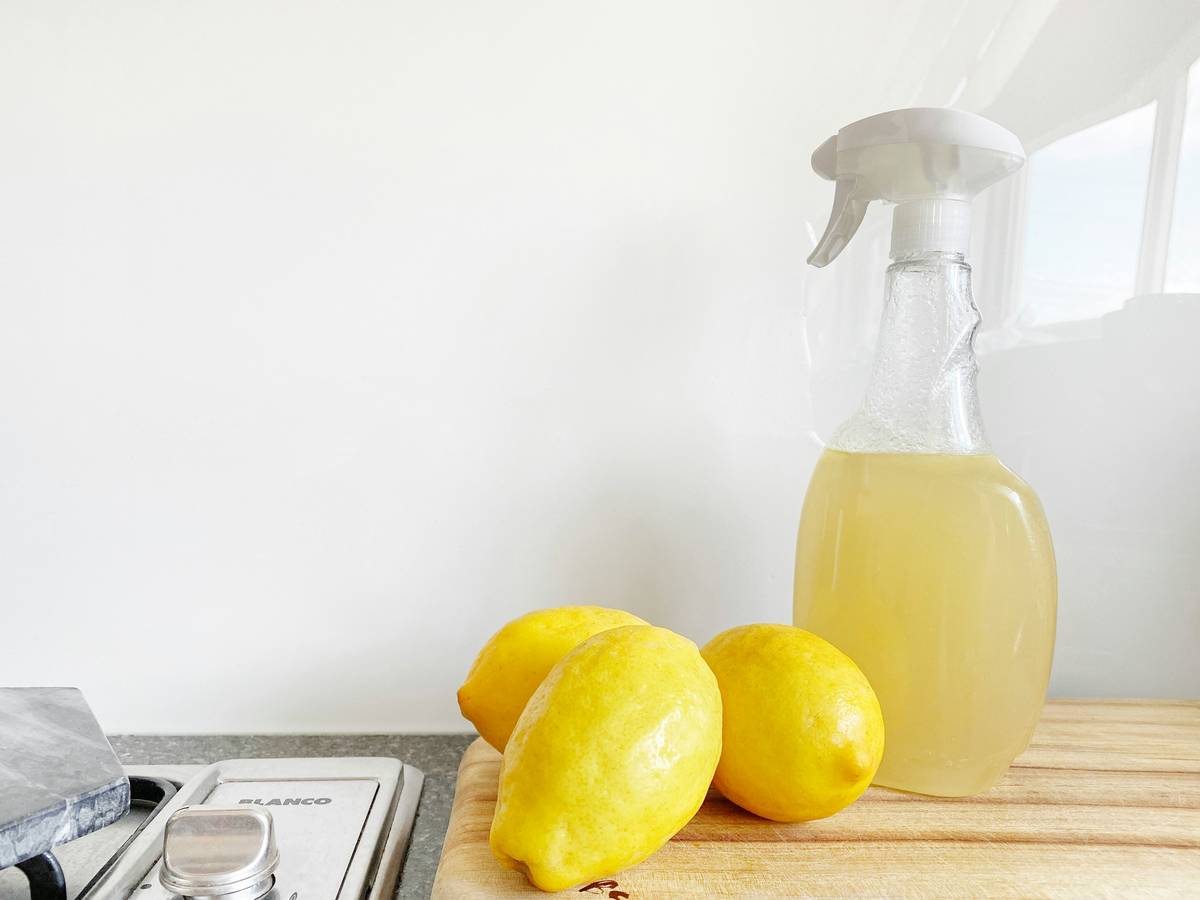
Mix your chosen acid with just enough baking soda to form a thick paste—not runny. Apply liberally with an old toothbrush. Cover with plastic wrap to prevent evaporation. This traps moisture so the acid keeps working instead of drying out mid-process.
Liquid Soak for Submersible Items
Drown small items (nails, screws, hand tools) in undiluted vinegar + 1 tbsp citric acid. Add a strip of aluminum foil—it creates a galvanic reaction that accelerates rust conversion. Check every 30 minutes. Over-soaking can etch bare metal.
The Rinse Rule Everyone Ignores
Never skip neutralizing! After treatment, rinse thoroughly with water mixed with 1 tsp baking soda per cup. This halts acid activity and prevents flash rusting within hours. Dry immediately with a microfiber cloth—no air drying.
The Industry Secret: Citric Acid Is Your Silent Weapon
Professional restoration crews don’t reach for lemons first. They use food-grade citric acid powder—cheap, shelf-stable, and brutally effective at chelating iron ions without fumes or toxicity. A $5 bag lasts years. Yet 99% of blog posts bury it as an “optional add-in.” Here’s the reality: citric acid binds to rust molecules more aggressively than acetic acid (vinegar), especially in warm water. Combine both, and you get synergy—vinegar opens pores, citric acid extracts the oxide. This isn’t folklore; it’s coordination chemistry used in industrial descalers. And yes, it’s safe for septic systems.
Frequently Asked Questions
Can I use this on colored fabrics?
No. These formulas target mineral-based stains on hard surfaces. For fabric, stick to oxygen bleach (sodium percarbonate) dissolved in hot water—never mix with vinegar or acids.
How long does homemade stain remover last in storage?
Mixed pastes: 24 hours max—discard if separation occurs. Dry powder blends (citric acid + baking soda): up to 6 months in an airtight jar. Liquid solutions: 1 week refrigerated.
Does it work on stainless steel?
Yes—but gently. Use diluted vinegar (1:1 with water) and avoid abrasives. Stainless can pit if over-scrubbed. Always wipe with the grain.