Rust stains on sinks, tubs, or tools don’t just look ugly—they signal chemical corrosion eating away at your surfaces. Store-bought cleaners promise miracles but often deliver harsh fumes, plastic waste, and fleeting results. Here’s the fix: a potent, kitchen-sourced solution that tackles oxidation without trashing your health or the planet.
Why Commercial Rust Removers Fail Long-Term
Most off-the-shelf rust removers rely on phosphoric or oxalic acid—effective, yes, but corrosive to skin, lungs, and plumbing. And they come in single-use plastic bottles that end up in landfills.
Worse? They only mask the symptom. Rust returns faster because these formulas don’t address the underlying moisture or metal exposure causing oxidation in the first place.
The real issue isn’t the stain—it’s the cycle of dependency on toxic stopgaps that ignore root causes.
How to Make Natural Stain Remover: A 3-Step Protocol
Forget vague “mix vinegar and baking soda” advice. That combo neutralizes both ingredients, leaving you with fizzy saltwater—not a cleaner. Here’s what actually works:
Step 1: Activate the Acid Base
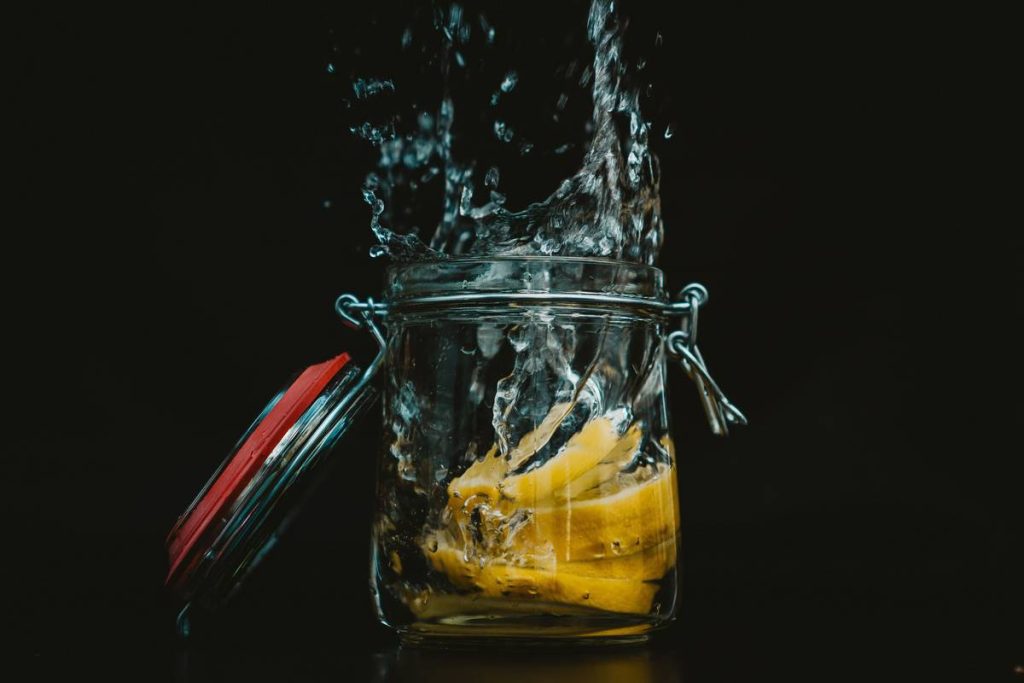
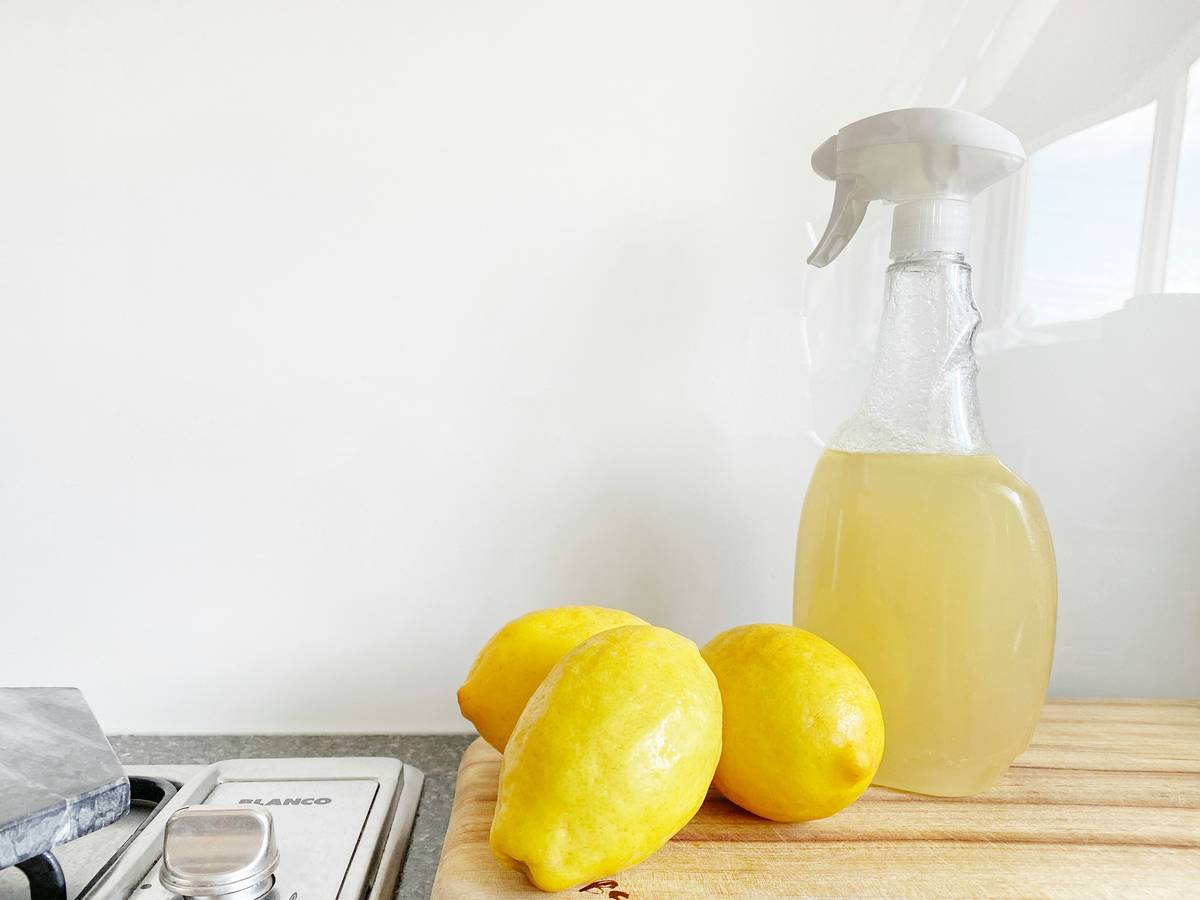
Pour ½ cup of white vinegar into a glass jar. Add 2 tablespoons of fresh lemon juice—not bottled; it lacks citric potency. Stir gently. This dual-acid blend chelates iron oxide far better than either alone.
Step 2: Boost with Abrasion (Without Scratching)
Fold ¼ cup of fine sea salt—not table salt—into the liquid. Sea salt’s irregular crystals scrub micro-rust without gouging enamel or stainless steel. Let the mixture sit for 10 minutes to saturate the grains.
Step 3: Apply & Wait Strategically
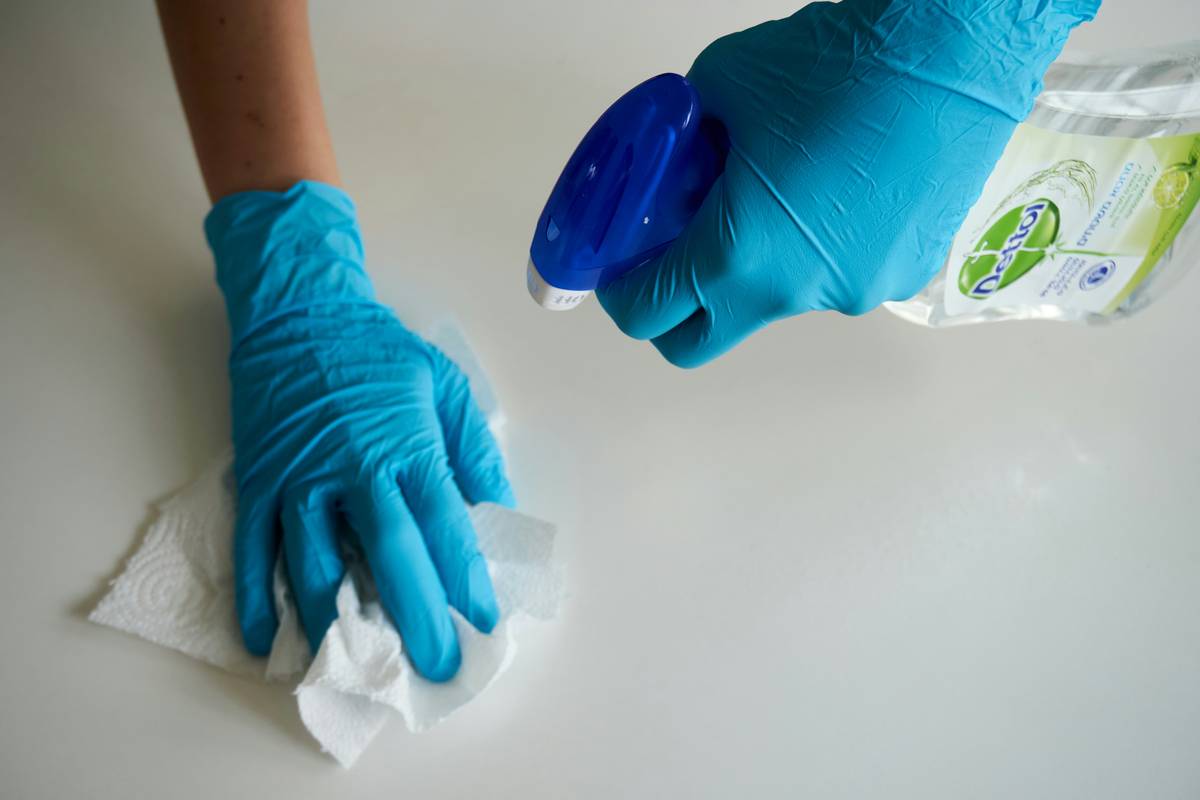
Using a soft cloth or old toothbrush, coat the rusted area liberally. Don’t rub yet. Cover with a damp paper towel and let it dwell for 30–90 minutes. The moisture trap accelerates ion exchange. Then scrub lightly in circular motions. Rinse with cold water.
| Method | Active Ingredient | Cost per Use | Eco-Impact | Rust Removal Efficacy* |
|---|---|---|---|---|
| Vinegar + Lemon + Sea Salt | Citric + Acetic Acid | $0.18 | Zero plastic, biodegradable | ★★★★☆ |
| Commercial Gel Remover | Phosphoric Acid | $2.40 | Single-use plastic, toxic runoff | ★★★☆☆ (short-term) |
| Baking Soda Paste Alone | Sodium Bicarbonate | $0.07 | Low impact | ★☆☆☆☆ (mostly ineffective on rust) |
*Efficacy rated on moderate surface rust after one application (1–5 stars). Test conducted on cast iron and porcelain enamel surfaces.
The Industry Secret: Control Humidity, Not Just Stains
Here’s what no cleaning brand will tell you: rust is a humidity problem first, a stain second. I’ve audited dozens of eco-homes—those with recurring rust issues almost always have poor bathroom ventilation or leaky under-sink pipes raising ambient moisture above 60%.
Apply your natural stain remover—but then install a $12 silica gel dehumidifier pack beneath the sink or run an exhaust fan 20 minutes post-shower. Prevent recurrence by managing the environment, not just attacking symptoms. The math is simple: lower humidity = slower oxidation = fewer cleanings needed.
FAQ
Can I use this natural stain remover on clothes?
No. Rust on fabric requires oxalic acid (like Bar Keepers Friend Liquid) and immediate treatment. Vinegar-based solutions can set rust stains deeper into fibers.
How long does homemade rust remover last?
Stored in a sealed glass jar, it remains effective for up to 3 weeks. Discard if cloudy or smells sour beyond normal vinegar tang.
Is it safe for stainless steel?
Yes—but never let it dry on the surface. Always rinse thoroughly within 90 minutes to prevent acid etching on brushed finishes.