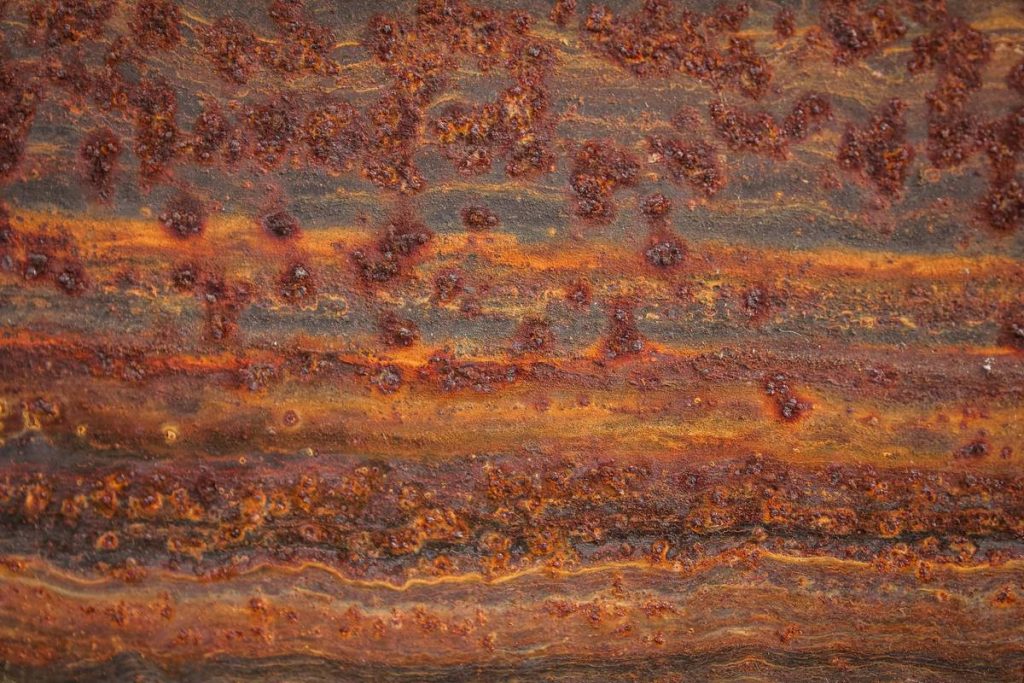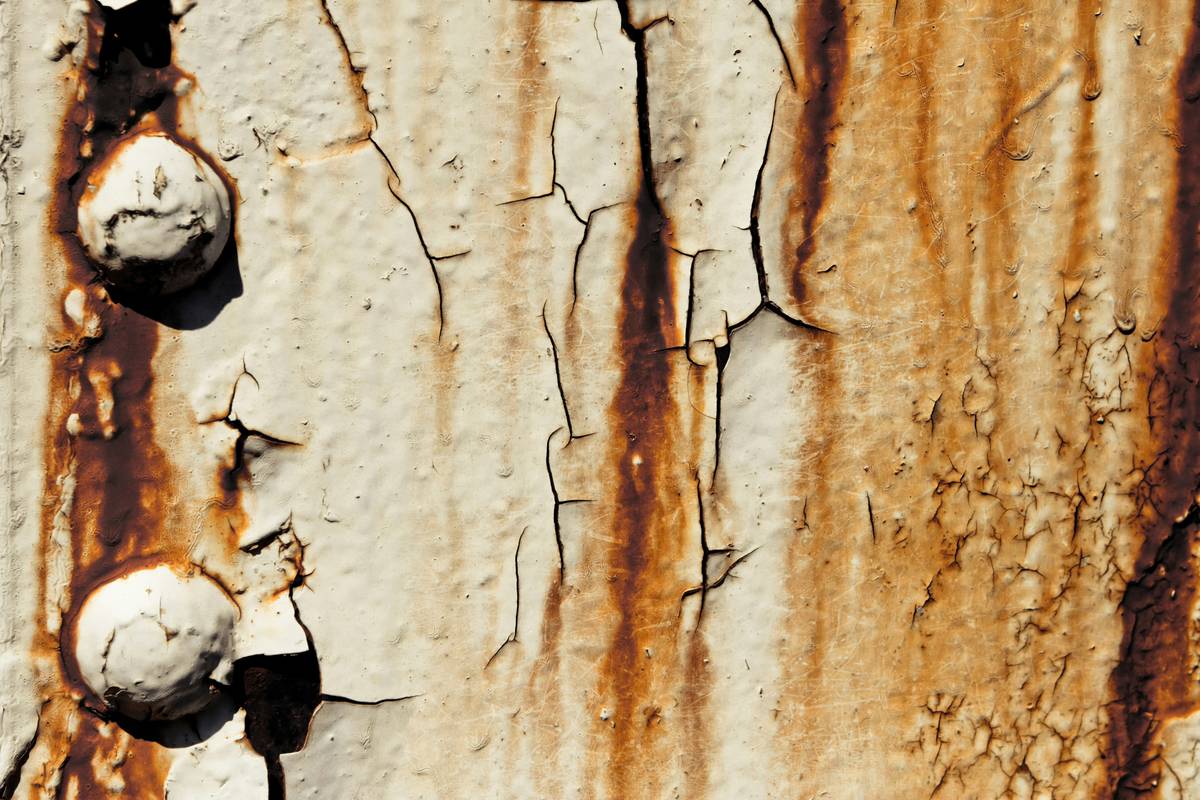
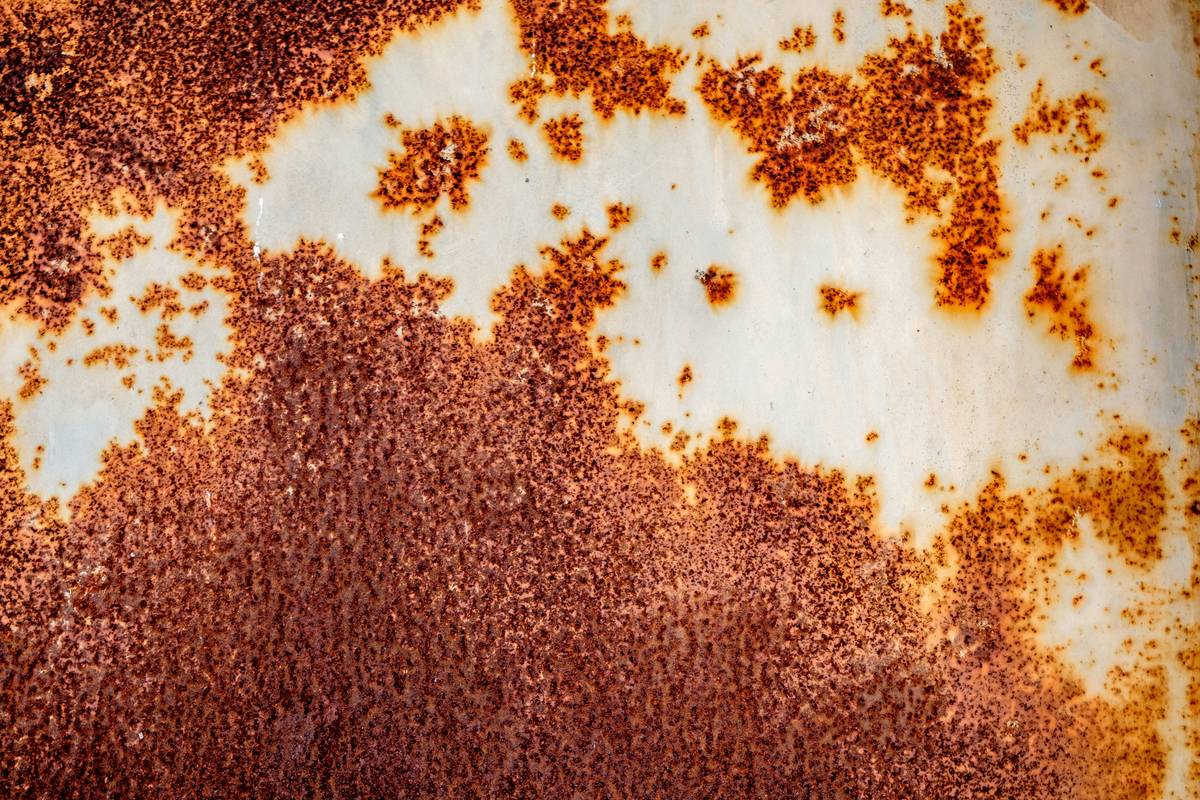
Rust doesn’t care if your lifestyle is sustainable—it creeps in silently, staining sinks, tools, and fixtures. Traditional removers blast it away with harsh acids that poison waterways and compromise your values. But what if you could erase rust without betraying the planet? The right eco friendly option natural rust remover exists—and it’s already in your kitchen.
Why Most Rust Removers Betray Your Green Values
Conventional rust removers rely on phosphoric or oxalic acid—effective, yes, but ecologically reckless. They leave behind toxic residues that seep into groundwater. And “natural” labeled sprays? Often greenwashed cocktails with hidden solvents. Worse—they rarely tackle deep-set oxidation without aggressive scrubbing that damages surfaces.
Here’s the reality: rust is iron oxide. To dissolve it sustainably, you need chelating agents that bind to metal ions—safely, reversibly, and without synthetic toxins. Most store-bought “eco” cleaners skip this chemistry entirely.
Eco Friendly Option Natural Rust Remover: A Proven DIY Protocol
Forget guesswork. This method leverages food-grade acids and time-tested mineral reactions. It works on cast iron, stainless steel, tiles—even vintage hardware.
Step 1: Assess Rust Severity
Light surface rust? Vinegar alone may suffice. Pitted, flaky corrosion? You’ll need oxalate-rich boosters like cream of tartar or rhubarb leaves (yes, really).
Step 2: Choose Your Base Agent
White vinegar (5% acetic acid) is accessible and effective for most jobs. For tougher cases, lemon juice + salt creates a mild citric-chloride synergy that accelerates oxidation breakdown—without chlorine gas byproducts.
Step 3: Apply with Patience, Not Pressure
Soak a cloth or paper towel in your solution. Lay it directly over the rusted area. Weight it down with a ceramic tile or glass jar. Wait 4–12 hours. No scrubbing required—just capillary action doing the heavy lifting.
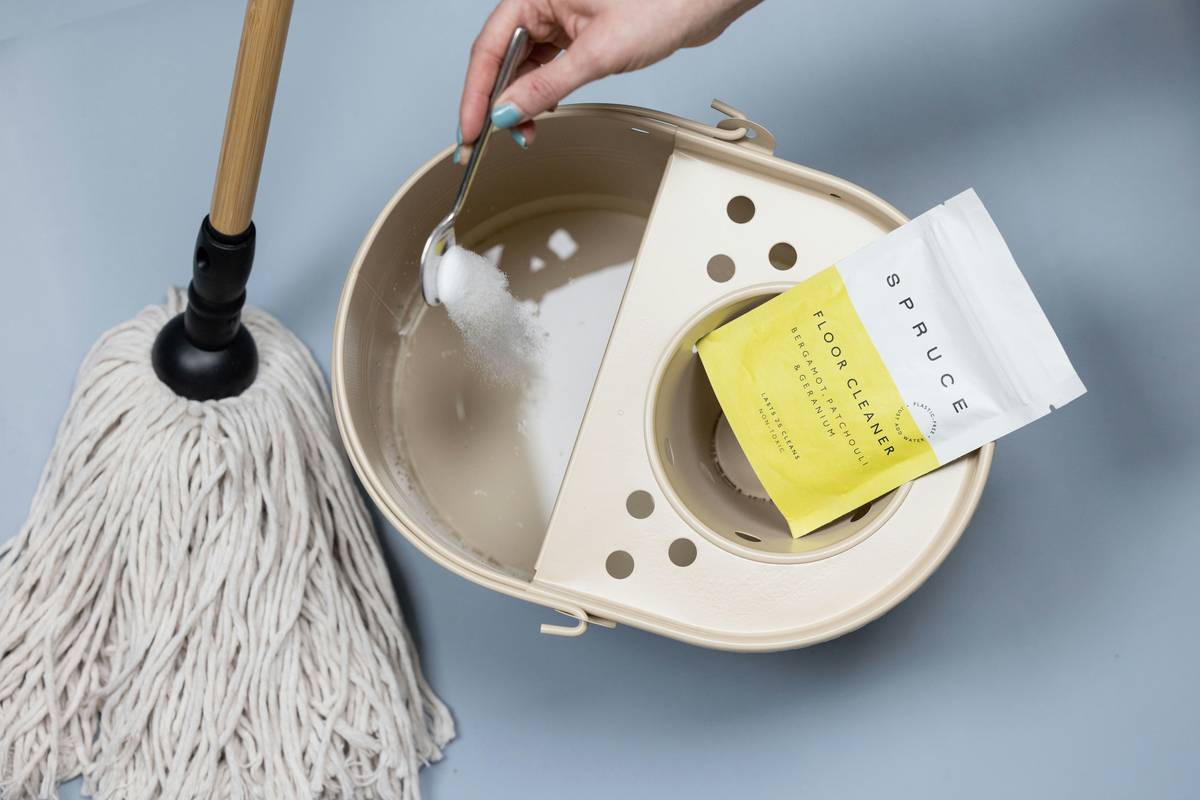
Step 4: Neutralize and Protect
Rinse with baking soda water (1 tbsp per cup) to halt acid activity. Dry thoroughly. Seal bare metal with linseed oil or beeswax to prevent recurrence.
| Method | Active Ingredient | Time Required | Surface Safety | Cost per Use |
|---|---|---|---|---|
| Vinegar Soak | Acetic Acid | 6–12 hrs | Safe for most metals, avoid prolonged contact with aluminum | $0.10 |
| Lemon + Salt Paste | Citric Acid + Sodium Chloride | 2–4 hrs | Use cautiously on softer metals; test first | $0.15 |
| Potato + Dish Soap | Oxalic Acid (natural) | 8–24 hrs | Gentle on antique finishes | $0.05 |
| Commercial “Eco” Spray | Proprietary blends (often undisclosed) | 15–30 min | Variable—some contain alcohol or glycol ethers | $2.50+ |
The Industry Secret Nobody Talks About
Big cleaning brands don’t want you to know this: rust removal isn’t about brute chemical force—it’s about controlled re-oxidation. The real pro move? Using tannins from black tea or oak galls to convert unstable red rust (Fe₂O₃) into stable black oxide (Fe₃O₄), which is non-flaking and protective. This ancient metal-finishing technique—used in Japanese sword-making—stops rust progression without removing metal. It’s regenerative, not destructive. Yet you won’t find it in any retail “eco” cleaner because it can’t be bottled profitably. Try it: steep 4 black tea bags in 1 cup hot water, cool, then soak small items overnight. Rinse. Dry. Watch the rust transform into a matte black patina that actually shields the underlying iron.
Frequently Asked Questions
Is vinegar safe for removing rust from stainless steel?
Yes—but limit exposure to under 2 hours. Prolonged contact can dull the finish. Always rinse with baking soda water afterward to neutralize acidity.
Can I use eco friendly option natural rust remover on cast iron cookware?
Absolutely. Vinegar soaks restore seasoned pans without stripping all protective layers. Re-season with flaxseed oil after drying completely.
How long does natural rust removal take compared to chemical products?
It takes longer—hours versus minutes—but preserves surfaces and avoids toxic runoff. The trade-off is time, not effectiveness.