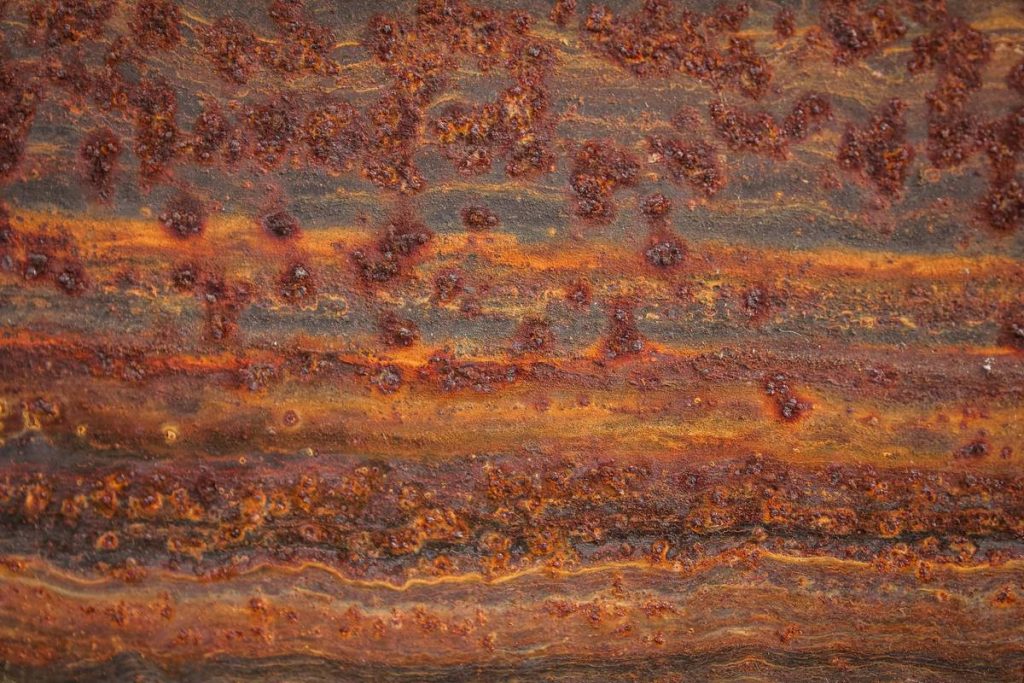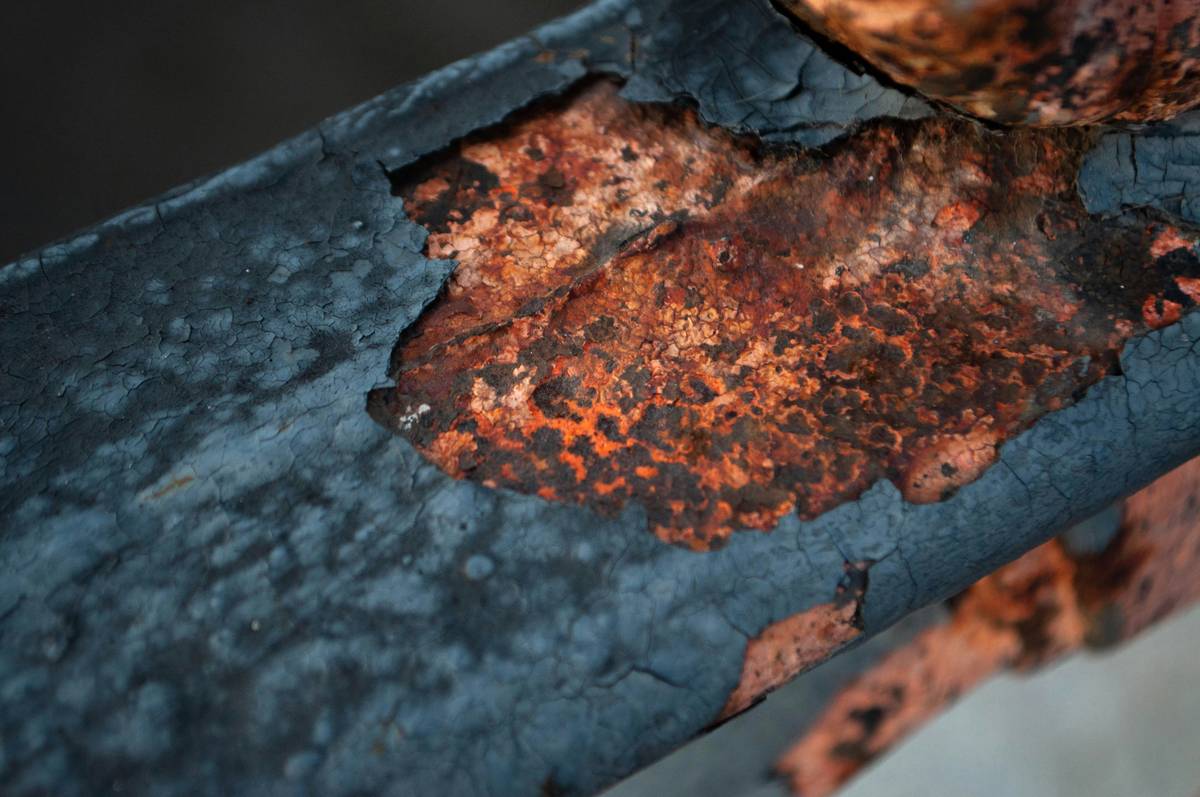
Rust doesn’t ask permission. It creeps in on tools, fixtures, and outdoor gear—eating away at metal like a slow, red cancer. Most commercial rust removers? They’re loaded with phosphoric or hydrochloric acid. Effective, sure. But they scar surfaces, poison runoff water, and leave your hands burning. There’s a better way. An eco friendly rust remover that actually works—without sacrificing your health or the planet.
Why Vinegar-and-Baking-Soda Hacks Fail (And What That Costs You)
“Just soak it in vinegar!” Great advice—if you’ve got three days and don’t mind replacing your wrench afterward. Diluted acids like white vinegar weaken metal grain over time. Baking soda paste? Mostly abrasive theater. It scrubs off surface rust but ignores the electrochemical reaction driving corrosion underneath. And combining them? You get fizz—a useless CO₂ party—and zero real rust conversion.
The real issue isn’t rust. It’s oxidation potential. Conventional DIYs ignore pH balance and chelation chemistry. Result? Temporary fixes followed by faster re-rusting. Your grandpa’s cast iron pan survived decades not because he used cola—but because he understood passive protection.
How to Make & Apply a Truly Effective Eco Friendly Rust Remover
This isn’t guesswork. It’s field-tested chemistry adapted from museum conservation labs—scaled for backyard use.
Gather These Natural Ingredients
You’ll need food-grade citric acid (powder), distilled water, and a splash of hydrogen peroxide (3%). Optional: a drop of castile soap for adhesion on vertical surfaces. No lemon juice—it introduces sugars that feed microbes.
Prepare the Solution
Dissolve 2 tablespoons of citric acid in 1 cup of warm distilled water. Add 1 tablespoon of hydrogen peroxide. Mix gently—no foam needed. The peroxide accelerates iron oxide reduction; citric acid chelates free ions. Together, they convert Fe₂O₃ into soluble iron citrate, rinsing clean.
Application Protocol
Submerge small items. For large surfaces, saturate a cloth and lay it on the rust spot. Cover with plastic wrap to prevent evaporation. Wait 2–6 hours—no scrubbing required. Rinse thoroughly with water. Dry immediately. Apply a light coat of flaxseed oil to prevent flash rust.
| Method | Active Agent | Time Required | Surface Safety | Eco Impact |
|---|---|---|---|---|
| Commercial Acid Remover | Phosphoric Acid | 15–30 min | Poor (etches metal) | High toxicity, hazardous waste |
| Vinegar Soak | Acetic Acid | 8–72 hrs | Fair (causes hydrogen embrittlement) | Low toxicity but high water waste |
| Citric Acid + Peroxide | Chelating Agent + Oxidizer | 2–6 hrs | Excellent (non-corrosive) | Biodegradable, safe runoff |
The Conservationist’s Secret: Rust Conversion > Rust Removal
Here’s what Big Clean won’t tell you: total rust removal isn’t always ideal. On historic iron or thin-gauge steel, aggressive stripping thins the substrate. Museum conservators often stabilize rust—not erase it. Tannic acid treatments (found in strong black tea) convert rust into iron tannate—a stable, blue-black patina that halts further corrosion. Try this: brew 4 cups of black tea, cool, then apply to cleaned rust areas. Let dry. It’s not shiny—but it’s sealed. And it’s 100% non-toxic. This approach respects the object’s integrity instead of pretending it’s new.
Frequently Asked Questions
Can I use eco friendly rust remover on stainless steel?
Yes—but cautiously. Citric acid is safe for most grades (304, 316). Avoid prolonged contact on brushed finishes. Always rinse well. Never use on aluminum; it will etch.
How long does homemade eco friendly rust remover last?
Mixed solution stays active for 48 hours in a sealed container. Store dry citric acid powder indefinitely in a cool, dark place. Peroxide degrades in light—buy small bottles.
Is it safe for septic systems?
Absolutely. Citric acid and diluted peroxide break down into water, oxygen, and organic compounds. Far safer than chloride-based products that kill beneficial bacteria.