You spent good money on stainless steel appliances, sinks, or fixtures—only to find ugly orange spots creeping in. Rust shouldn’t be there. Stainless steel resists corrosion by design. But when it fails, store-bought cleaners either scratch the surface or leave toxic residues. The real solution? A natural rust remover for stainless steel that’s gentle, effective, and safe enough to use around kids and pets.
Why Most Rust Removal Methods Backfire on Stainless Steel
Stainless steel isn’t “stain-proof”—it’s “stain-less.” Its protective chromium oxide layer can be compromised by chlorides, abrasives, or prolonged moisture exposure. Once rust forms, people reach for vinegar, baking soda pastes, or commercial acid-based removers. Big mistake.
Vinegar’s acetic acid may lift surface rust—but it also eats away at the passive layer, leaving your steel vulnerable to faster, deeper corrosion later. Steel wool? It embeds carbon particles that rust themselves. And those citrus-based gels? They often contain surfactants that trap moisture against the metal.
Result: Temporary clean-up followed by recurring rust within weeks. You’re treating symptoms, not causes.
Natural Rust Remover for Stainless Steel: A Step-by-Step Protocol
Forget one-size-fits-all hacks. Effective natural rust removal on stainless steel requires chemistry awareness and physical precision. Here’s how professionals do it—without chemicals or scratches.
Select the Right Acid: Not All Are Equal
Lemon juice and vinegar get all the attention—but oxalic acid (found in rhubarb leaves and commercial “wood brighteners”) is far more selective. It chelates iron oxide without attacking chromium. Safer. Smarter.
Surface Prep Is Non-Negotiable
Clean the area first with warm water and a drop of castile soap. Dry thoroughly. Any grease or film will block the acid from bonding with rust particles.
Application Technique Matters More Than Strength
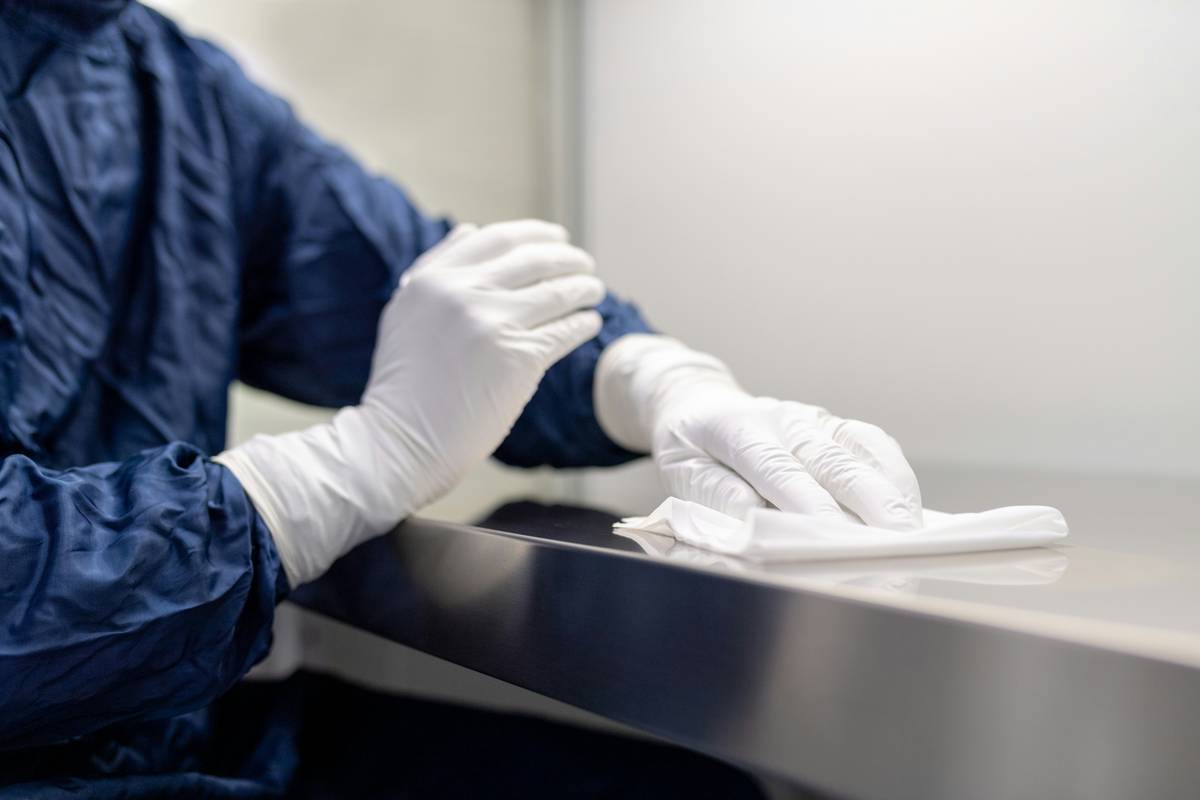
Apply your natural solution with a soft microfiber cloth—not a sponge or brush. Work *with* the grain of the stainless steel. Never circular motions. Let it dwell 5–10 minutes max. Rinse immediately with distilled water to prevent mineral deposits.
| Method | Effectiveness on Light Rust | Risk to Stainless Steel | Time Required |
|---|---|---|---|
| Vinegar Soak | Moderate | High (etches passive layer) | 30+ mins |
| Baking Soda Paste | Low | Medium (micro-scratches) | 15 mins + scrubbing |
| Oxalic Acid Solution (Natural Source) | High | Very Low | 5–10 mins |
| Commercial Citrus Gel | High | Medium-High (residue traps moisture) | 10 mins |
The Industry Secret: It’s Not About Removing Rust—It’s About Preventing Reattachment
Here’s what cleaning companies won’t tell you: rust on stainless steel rarely comes from external sources alone. Often, it’s caused by embedded iron particles from nearby tools, steel brushes, or even airborne dust from construction. These particles oxidize *on* the surface—and keep returning unless magnetically removed.
The real pro move? After cleaning with your natural rust remover for stainless steel, pass a rare-earth magnet over the area. Seriously. It pulls out ferrous contaminants before they can rust again. Pair this with a monthly wipe using a 1:1 distilled water and isopropyl alcohol mix to maintain the passive layer. Prevention beats correction every time.
Frequently Asked Questions
Can I use baking soda to remove rust from stainless steel?
Only for very light surface discoloration—and even then, it’s risky. Baking soda is mildly abrasive and can create micro-grooves where moisture collects, accelerating future rust.
Is vinegar safe for stainless steel rust removal?
Short-term, yes. Long-term, no. Vinegar breaks down the chromium oxide layer, making your steel more prone to new rust within weeks. Use only as a last resort—and always neutralize with baking soda rinse afterward.
How often should I treat stainless steel to prevent rust?
If your environment has high humidity, salt air, or frequent contact with iron tools, inspect monthly. Clean with distilled water and alcohol; apply natural rust remover only if orange spots appear.