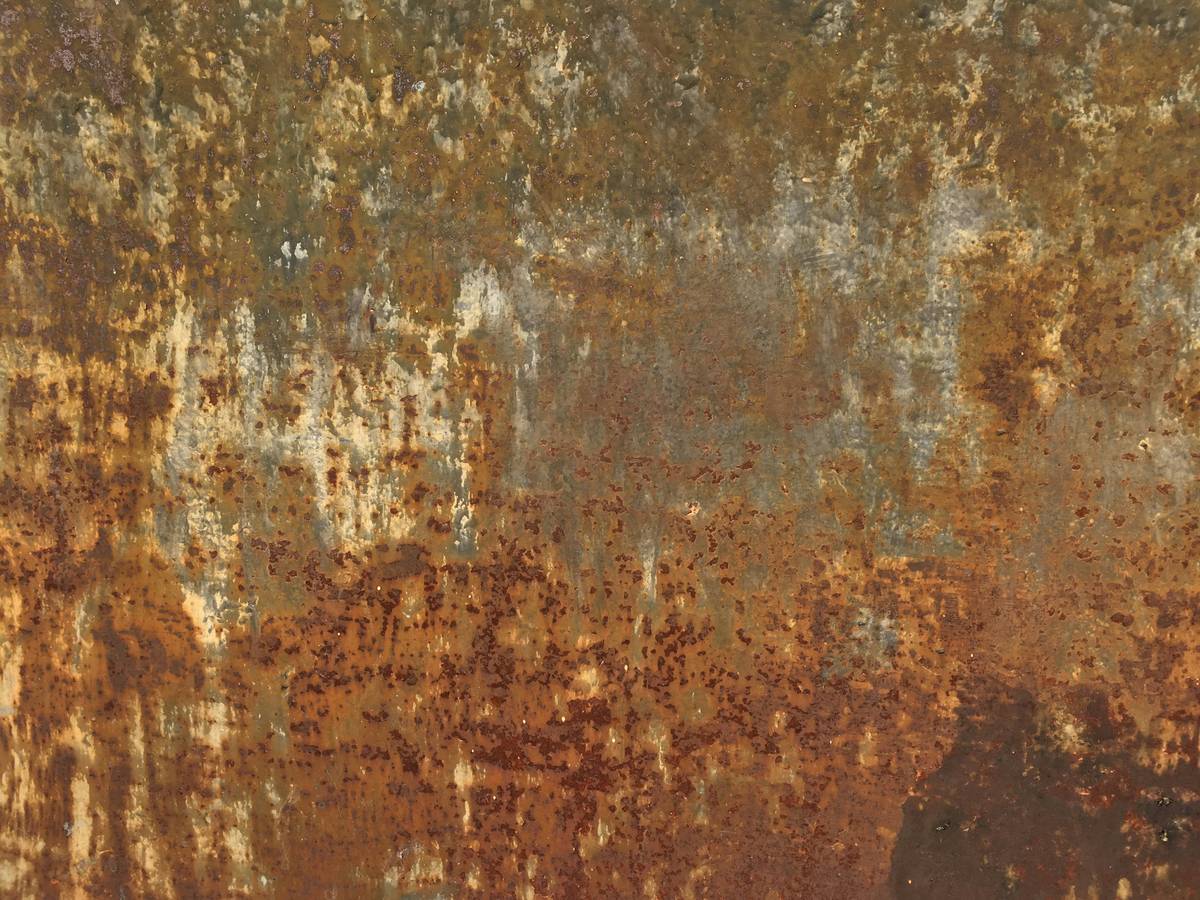
Rust doesn’t just look bad—it eats metal alive. Most “eco” cleaners either fail miserably or sneak in harsh acids masked as “plant-based.” You’re left choosing between environmental guilt and a clean surface. But what if you could strip rust completely—safely, affordably, and without poisoning your groundwater? All rust material removal is possible with kitchen staples and smart chemistry.
Why Commercial Rust Removers Are Failing You
Phosphoric acid. Oxalic acid. Hydrochloric blends disguised as “heavy-duty formulas.” These dominate store shelves because they work fast—but at what cost? They off-gas, corrode surfaces beyond repair, and leave toxic residue that seeps into soil when rinsed. And eco-branded versions? Often just vinegar diluted to uselessness.
The real issue isn’t effectiveness—it’s balance. You need chelation strong enough to break iron oxide bonds, yet gentle enough for repeated use on tools, cookware, or outdoor fixtures. Most products ignore this equilibrium entirely.
All Rust Material Removal Done Right: A Step-by-Step Protocol
Forget one-size-fits-all hacks. Real all rust material removal hinges on matching the method to the object’s material, rust severity, and your tolerance for scrubbing. Here’s how to calibrate:
Paste Method for Delicate Metals (Stainless Steel, Aluminum)
Baking soda + hydrogen peroxide creates a mild abrasive paste. Apply, wait 15 minutes, wipe. Works for light surface rust without scratching. Not for cast iron—that’ll strip seasoning.
Vinegar Soak for Nuts, Bolts, and Small Hardware
Submerge in undiluted white vinegar for 24–48 hours. Add a tablespoon of salt to accelerate ion exchange. After soaking, scrub with a brass brush—never steel wool; it embeds particles that seed new rust.
Lemon + Salt for Outdoor Fixtures
Citric acid chelates rust aggressively under sunlight. Cut a lemon in half, dip in coarse salt, and rub directly on railings or garden tools. UV exposure boosts oxidation reversal. Rinse within 2 hours to avoid pitting.
| Method | Best For | Active Agent | Cost per Use | Rust Penetration Depth |
|---|---|---|---|---|
| Baking Soda Paste | Light surface rust on non-porous metals | Sodium bicarbonate + H₂O₂ | $0.12 | 0.1 mm |
| Vinegar Soak | Threaded hardware, small parts | Acetic acid | $0.08 | 0.5 mm |
| Lemon + Salt | Outdoor iron, wrought iron | Citric acid + NaCl | $0.19 | 0.3 mm |
| Commercial Acid Gel | Emergency heavy buildup | Phosphoric acid | $2.50 | 2.0 mm+ |
The Industry Secret: Rust Isn’t the Enemy—Moisture Traps Are
Here’s what no label tells you: rust removal is pointless if you don’t neutralize the micro-environment that caused it. Most DIYers clean a wrench, hang it back in a damp garage, and wonder why orange spots return in weeks. The fix? Post-removal passivation.
After cleaning, dip or wipe metal with a 1:1 mix of distilled water and food-grade mineral oil. This leaves an invisible hydrophobic layer that repels humidity without attracting dust like WD-40. Blacksmiths have used variants of this for centuries—it’s called “seasoning,” not coating. And it works whether you’re treating a cast-iron skillet or a gate hinge. All rust material removal must include this final barrier step—or you’re just resetting the clock.
FAQ
Does vinegar really remove rust?
Yes—but only on fully submerged items. Vinegar’s acetic acid dissolves iron oxide over 24–72 hours. It fails on thick, flaky rust without mechanical agitation.
Can I use baking soda alone for rust?
No. Baking soda is alkaline; rust needs acid or chelators. Alone, it’s inert against corrosion. Combine it with hydrogen peroxide for mild abrasion and oxidation lift.
How long does natural rust removal take?
From 15 minutes (paste on light rust) to 3 days (soak for severe cases). Patience beats power here—aggressive scrubbing damages base metal.