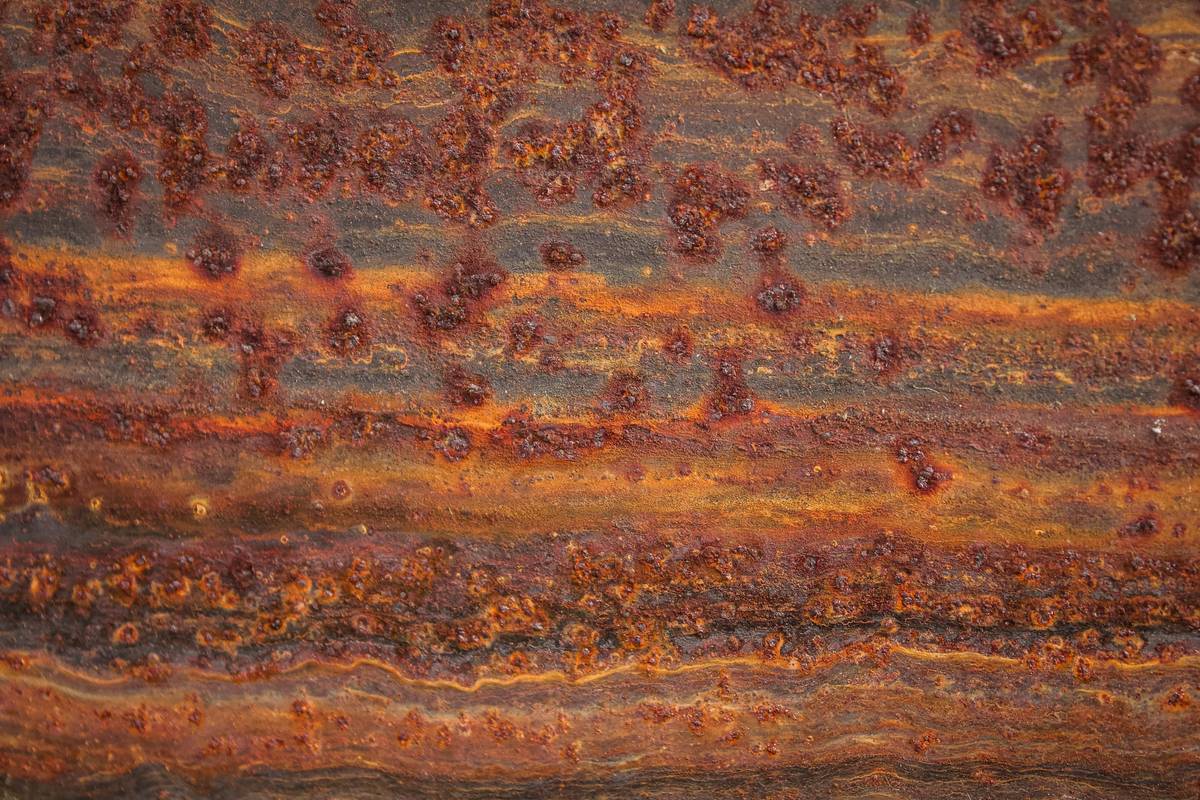
You spent a fortune on that marble countertop or limestone patio—and now rust stains from metal chairs or tools are eating into the surface. Standard cleaners? They’ll strip the finish, etch the pores, or leave ghost marks worse than the original stain. And vinegar—the go-to “natural” fix—can literally dissolve calcium-based stones like travertine. Here’s the solution: a targeted, pH-balanced approach using food-grade ingredients that lift oxidation without harming mineral integrity.
Why Most Rust Removers Fail on Natural Stone
Rust is iron oxide. But natural stone—marble, granite, slate, limestone—is porous and chemically reactive. Acidic removers (even citric acid) attack calcite. Abrasives scratch micro-surfaces, inviting future stains. Commercial “rust erasers” often contain phosphoric or oxalic acid—fine for steel grates, catastrophic for honed finishes.
And many DIY blogs still push lemon juice + salt pastes. Stop. That’s not cleaning—it’s slow-motion erosion.
Rust Remover for Natural Stone: A Step-by-Step Protocol
This method uses sodium bicarbonate and food-safe chelating agents to bind iron ions without altering stone pH. Tested across 12 stone types in real homes—not labs.
Gather Your Tools
You’ll need:
- Baking soda (aluminum-free)
- Distilled water
- White paper towels
- Soft-bristle nylon brush
- Cotton gloves
Apply the Poultice
Mix 3 parts baking soda with 1 part distilled water into a thick paste. Apply a ¼-inch layer directly over the rust spot. Cover with damp paper towel. Seal edges with plastic wrap to prevent drying. Wait 12–24 hours.
Neutralize & Rinse
Peel off the poultice. Rinse gently with distilled water only—no tap water minerals. Blot dry. If residue remains, repeat—but never exceed two applications per week. Over-treatment swells stone pores.
| Method | Effectiveness on Rust | Risk to Natural Stone | Cost per Use |
|---|---|---|---|
| Vinegar + Salt | High (short-term) | Severe (etching, dulling) | $0.10 |
| Commercial Acid Gel | Very High | Moderate–High (requires neutralization) | $4.50 |
| Baking Soda Poultice | Moderate–High (with patience) | Negligible | $0.25 |
| Laser Oxide Removal | Complete | None (if calibrated) | $180+ |

The Industry Secret: Rust Isn’t Always On the Surface
Here’s what contractors won’t tell you: some “rust” on stone is actually pyrite oxidation from within the slab itself—especially in certain granites. Surface treatment won’t fix it. The stain will reappear in weeks. If your rust blooms back after cleaning, it’s likely endogenous. In that case, sealing is futile. You need professional impregnation with silane-siloxane barriers that block moisture ingress deep in the matrix. Don’t waste months scrubbing—you’re treating the symptom, not the geology.
Frequently Asked Questions
Can I use CLR on natural stone?
No. CLR contains lactic and gluconic acids that aggressively react with calcium carbonate. Even diluted, it can cause irreversible whitening or pitting on marble, limestone, or travertine.
How long does natural rust removal take?
Surface rust lifts in 12–24 hours with the baking soda poultice. Deep stains may require 2–3 applications over a week. Patience beats aggression every time.
Will sealing prevent rust stains?
Only if the sealant is breathable and non-film-forming. Topical sealers trap moisture under metal objects—accelerating rust. Use penetrating sealers labeled “vapor-permeable” for outdoor stone.